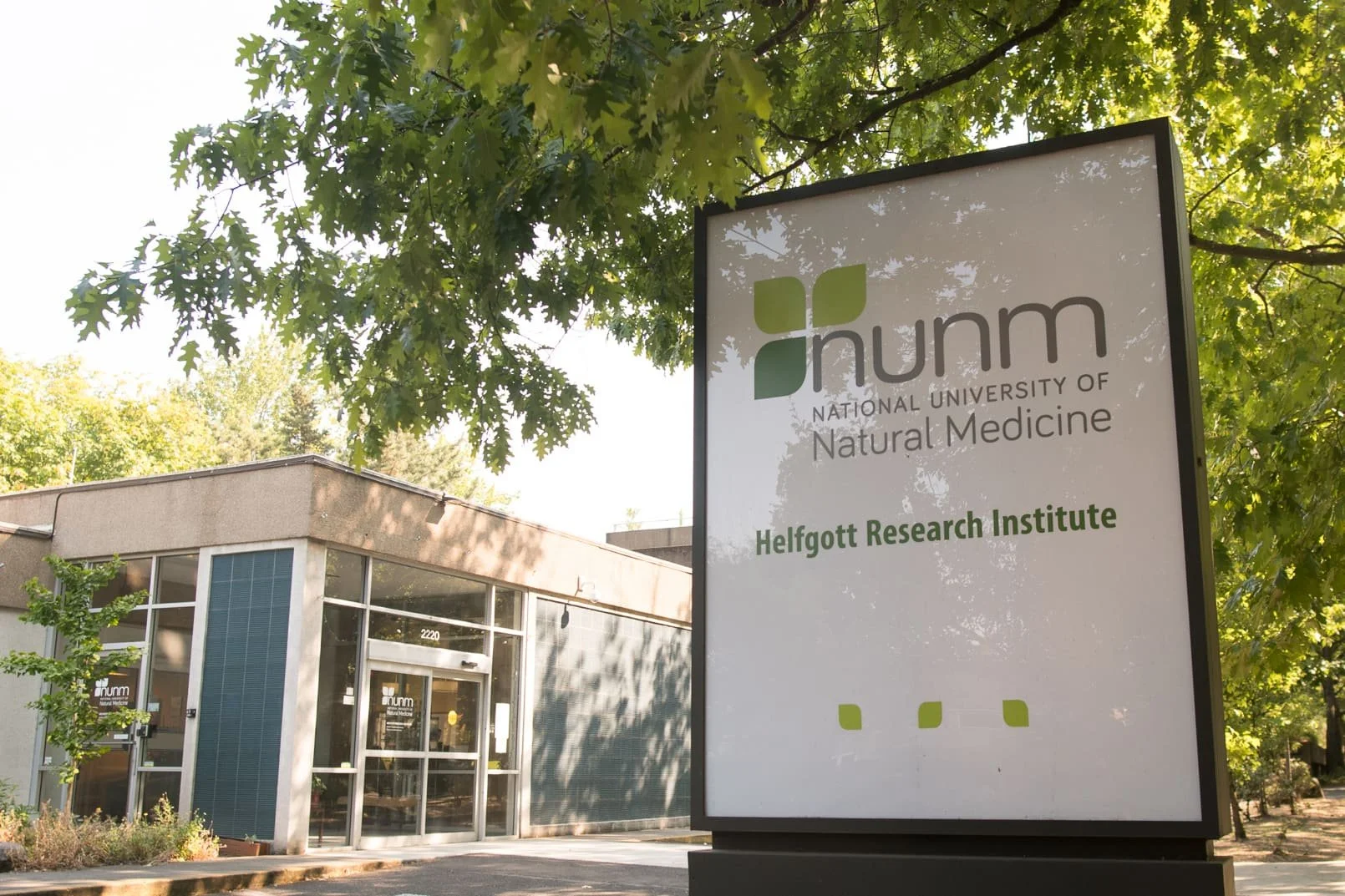
Comprehensive Research Evidence Synthesis Training
A collaborative hub dedicated to advancing the science and practice of evidence synthesis.
Our Projects, Scope, and AI Integration
CREST trains interdisciplinary teams of clinicians, researchers, and trainees to apply rigorous systematic review, meta-analysis, and evidence-mapping methodologies to questions in fields such as brain injury, nutrition, endocrinology, and psychiatry. Through hands-on workshops, mentorship, and collaborative review projects, CREST builds capacity for transparent, reproducible, and policy-relevant evidence synthesis. Its mission is to accelerate translation of high-quality evidence into clinical guidelines, and strengthen global research networks focused on data-driven, patient-centered care.
CREST has several content areas, each with a specific focus.
BEST is a virtual training program that equips clinician-researchers with rigorous evidence synthesis and AI-enabled systematic review skills for behavioral health and complementary/integrative health.
ENER-G is an NIH-funded training program that strengthens evidence-based nutrition research skills through workshops, courses, and mentored research experiences.
FEAST conducts evidence syntheses in nutritional psychiatry to clarify how diet and dietary interventions influence mental health outcomes.
FOREST advances rigorous evidence synthesis in forensic science to improve the validity, transparency, and defensibility of forensic methods and testimony.
NEST is a mentored training program that prepares trainees to conduct high-quality evidence syntheses focused on traumatic brain injury and its long-term sequelae.
CREST’s AI Task Force advances the thoughtful, transparent, and scientifically rigorous integration of artificial intelligence into evidence synthesis. The Task Force develops internal guidance and policy for the responsible use of AI in systematic reviews, addresses emerging methodological questions and explores strategic contributions to the field through scholarship, education, and innovation. Grounded in a human-in-the-loop approach, the Task Force supports the development of best practices, reviewer training, and critical evaluation of AI tools to ensure these technologies enhance, rather than compromise, the quality and trustworthiness of evidence synthesis.
Our team publishes in peer-reviewed journals to share discoveries with the scientific community. Publications are an important way to communicate the rigor of our work, ensure transparency, and contribute to the collective evidence base that guides clinical care. By making our findings publicly available, we help inform better treatments, foster collaboration, and ensure that research ultimately benefits patients and communities.
Meet the Team
Systematic reviews empower researchers and clinicians to move beyond individual studies and see the full evidence landscape. By using transparent, reproducible, and theory-informed approaches, systematic reviews synthesize findings across diverse study designs to answer focused questions with rigor and credibility. These methods help reduce bias, clarify inconsistencies in the literature, and support evidence-based decision-making in research, clinical practice, and policy. With proper training, researchers gain the skills needed to design, conduct, and report systematic reviews that others can trust and that meaningfully advance their field.
We have participants from a wide variety of institutions including:
Canadian College of Natural Medicine in Toronto, Ontario, and in New Westminster, British Columbia, Canada
University of Guelph in Guelph, Ontario, Canada
National University of Health Sciences in Lombard, Illinois
Arizona State University in Tempe, Arizona
Royal Surgeons College in Dublin, Ireland
Oregon Health & Science University in Portland, Oregon
CREST Leadership

-
Joshua Goldenberg, ND, PHD(c) is a clinician–scientist and research leader specializing in evidence synthesis and the integration of complementary and integrative health (CIH) approaches into rigorous biomedical research. He serves in senior research leadership roles at the National University of Natural Medicine’s Helfgott Research Institute, where he develops and directs NIH-aligned training and research infrastructure focused on systematic reviews, meta-analysis, and translational CIH science. He is an active researcher with numerous publications in high-impact scientific journals such as JAMA, the BMJ, Annals of Internal Medicine, and the Cochrane Library. Dr. Goldenberg has led or collaborated on numerous federally funded initiatives that build workforce capacity in evidence-based practice, including large, multi-institutional programs that train clinicians and trainees in advanced review methodology. In parallel, he works to strengthen academic–industry partnerships and research commercialization pathways, supporting clinical trials and product evaluation in natural products and behavioral health. His interest in evidence has taken him from clinic to courtroom, recently co-founding Brain Injury Research Solutions, a contract research organization focusing on brain injury litigation, and he is currently pursuing a PhD in Forensic Epidemiology with a focus on evidence-based causation analysis. Across his roles, Dr. Goldenberg emphasizes methodological rigor, reproducibility, and mentorship to expand the next generation of investigators skilled in high-quality evidence generation and translation.
-
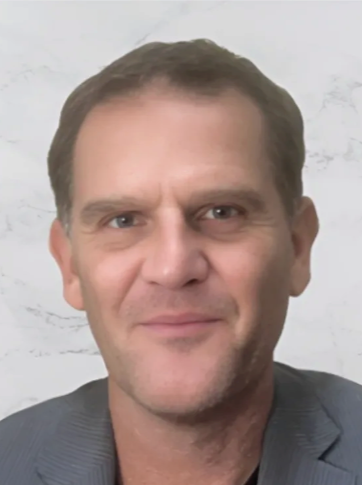
Dr. Batson’s clinical practice focuses on traumatic brain injury evaluation and rehabilitation with a specialization in traumatic brain injury-related pituitary dysfunction. His postgraduate dissertation was on the topic of post-traumatic hypopituitarism (PTHP), also referred to as TBI-related neuroendocrine dysfunction, or TBI-related pituitary dysfunction. He is the executive director of Neurevolution Medicine PLLC, director of the Growth Hormone & IGF-1 Working Group, a research collaborator with the University of Texas Medical Branch (UTMB) BIAFAC research group, a research investigator and the director of neurotrauma education for the Neurotrauma Evidence Synthesis Training (NEST) at the Helfgott Research Institute. In addition, he is an adjunct peer-reviewer for twelve internationally recognized endocrinology journals.

-
Heather Zwickey, PhD, is recognized internationally as an expert and educator in the fields of integrative medicine, natural therapies and the immune system. Dr. Zwickey has been leading natural medicine research for 20 years. She has a Ph.D. in immunology and microbiology from the University of Colorado and completed her postdoc at Yale School of Medicine. Heather is on three NIH-funded research grants and has more than 100 publications. Heather speaks at conferences world-wide, sharing her enthusiasm for integrative medicine and science. She’s won many awards for teaching and currently teaches at the National University of Natural Medicine. Dr. Zwickey’s research focuses on Parkinson’s disease, nutrition, neuroinflammation, the microbiome, and the gut-brain axis. Dr. Zwickey is currently the Vice President of Research and Academic Excellence and Chief Academic Officer at the National University of Natural Medicine.
She was then recruited to the National University of Natural Medicine in Portland, OR, where she launched the Helfgott Research Institute and served as its director for 17 years. In 2009, Dr. Zwickey established the School of Graduate Studies, developing programs in integrative medicine research, nutrition, and global health among others. As the founding dean of the graduate school, she continues to teach many courses.
Dr. Zwickey currently co-leads an NIH funded clinical research training program focused on training the next generation of integrative medicine researchers. She teaches at many universities and speaks at conferences world-wide. At Helfgott Research Institute, Dr. Zwickey applies her immunology expertise to natural medicine, with specific interest in the gut-brain axis in neuroinflammation.
With expertise in infectious disease and vaccine development, Dr. Zwickey has been sought out for her knowledge regarding COVID-19. She’s spoken on more than 50 podcasts, written articles, and been a resource for people with tough questions.
-
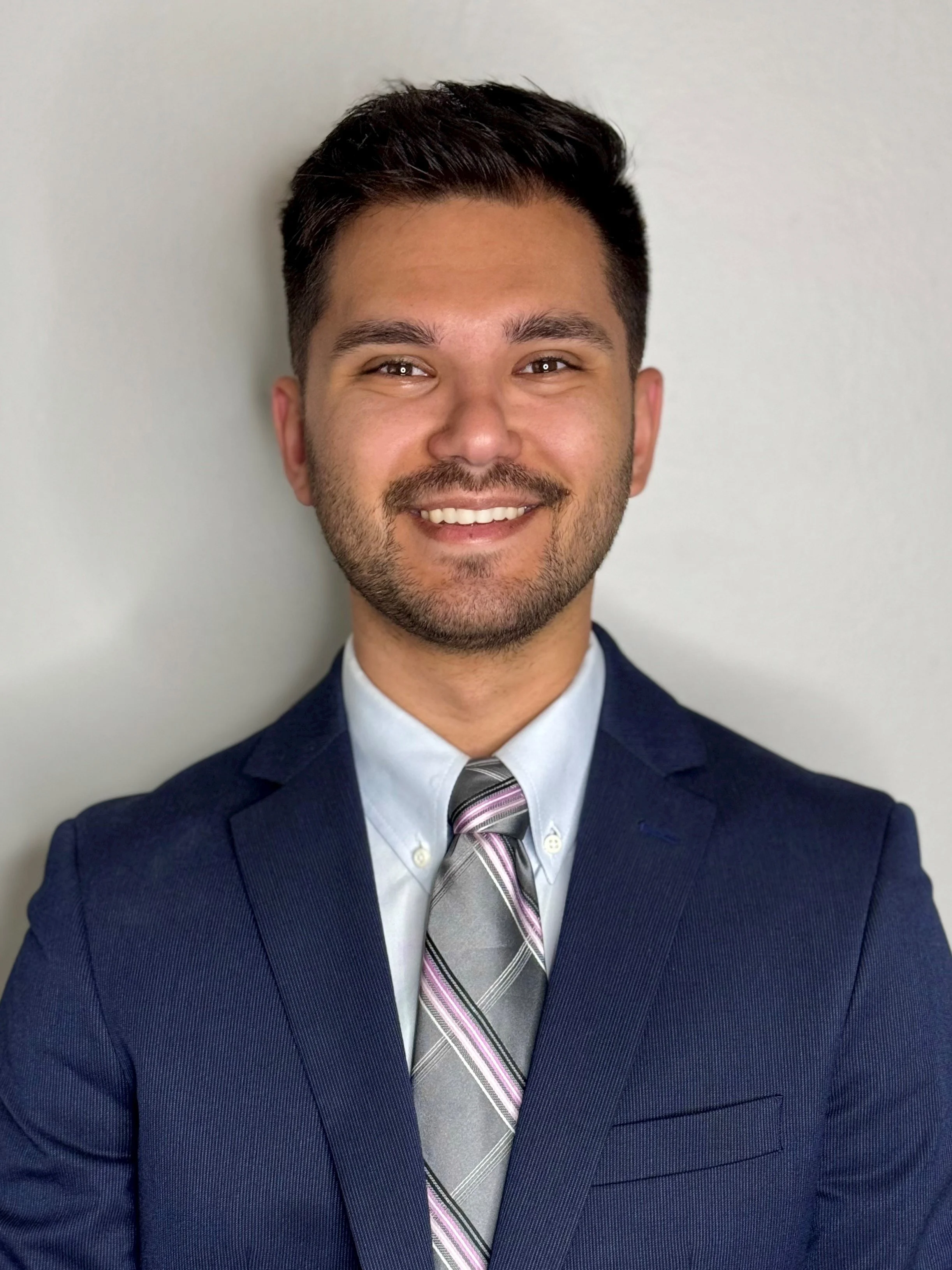
Dr. Ryan Wexler is a naturopathic physician-scientist and Assistant Professor at the Helfgott Research Institute at the National University of Natural Medicine. His research focuses on developing and evaluating multicomponent, mind-body interventions for patients with chronic pain, with particular emphasis on conditions involving nociplastic pain and central sensitization, such as chronic back pain and lumbosacral radiculopathy. Dr. Wexler uses mixed methods to examine how mind-body interventions affect physical function and psychosocial outcomes – including motivation, autonomy, and self-efficacy. His work also utilizes objective assessments including inertial measurement units, quantitative sensory testing, and actigraphy. He is particularly interested in the potential of digital health tools to increase accessibility and scalability of mind-body therapies. His planned projects involve web-based interventions to support behavior change and improve recovery in patients with musculoskeletal pain. His research centers community and patient engagement by integrating stakeholder feedback throughout the research process from intervention development to dissemination.

-
Monique Aucoin, ND, MSc is a naturopathic doctor and senior research fellow at the Canadian College of Naturopathic Medicine. She is an adjunct professor at the University of Guelph in the department of Human Health Sciences. She has been in practice for more than 12 years. Her clinical practice and research work are focused on the role of diet and nutrition in the treatment of mental illness. She recently led the world’s first clinical trial of dietary counselling for the treatment of generalized anxiety disorder. Monique has completed systematic and scoping reviews on the efficacy and safety of nutritional treatments and has published several case reports. She is passionate about supporting NDs and students in using evidence-based practice. Monique co-founded CCNM’s annual Research Day. She is an instructor at CCNM and an editor at the Canadian Association of Naturopathic Doctors Journal.
More info: www.MoniqueAucoinND.com

-
Alisha Bruton is a research scientist and biostatistician in the Center for Mental Health Innovation at Oregon Health & Science University, where she manages the Science of Nutrition, Affect & Cognition (SNACK) Lab. She is also a research scientist at ZRT Laboratory. Her research examines the role of nutrition in emotion regulation and attention in individuals with ADHD, with a broader focus on integrating biological, behavioral, and clinical data.
She studies biological and behavioral mechanisms underlying neurodevelopmental and pain-related conditions, with particular interest in biomarkers, laboratory methods, and evidence synthesis methodology. Her work also spans chronic pain, interoception, and sensory processing.
Trainee Representatives


-
Dr. Lita Buttolph, PhD, DSOM, MS, LAc, is an Assistant Research Investigator and Adjunct Faculty at the National University of Natural Medicine, Post-Doctoral Fellow at Oregon Health & Science University, Licensed Acupuncturist, and Qigong Instructor in Portland, Oregon. Her passion for research began through her studies and work in ecology and natural resource management, and later in human health. Dr. Buttolph received her BA in Biology and MS in Wildland Resources Science from the University of California, Berkeley, and her PhD in Rangeland Science from Utah State University, where she studied pastoral systems ecology in the Bolivian highlands. She later earned her Doctor of Science in Oriental Medicine and Master's in Integrative Medicine Research from the National University of Natural Medicine. Her research interests include understanding the effects of mind-body practices on healthy individuals and those with chronic conditions. Dr. Buttolph has practiced Qigong, an ancient Chinese mind-body movement art, since 1999 and has taught Qigong to all ages and abilities since 2005. Dr. Buttolph's current research interests include investigating the effects of Qigong and Tai Chi for multiple sclerosis. Her work at the intersection of traditional medicine and scientific inquiry underscores her passion for holistic health and wellness.